
A driveway in Fayetteville tells a story after a wet Georgia spring: red clay runoff staining the edges of the lawn, mulch beds washed thin, and grass struggling under a canopy that blocks half the sunlight. Homeowners across South Fulton and Clayton County see the same pattern every year, and it usually leads to the same question.
How much does landscaping cost in Atlanta? Most homeowners in the metro area spend between $2,500 and $12,000 on landscaping projects, depending on yard size, design complexity, and whether the work includes hardscaping like patios or retaining walls. Smaller maintenance-focused projects can run under $1,500, while full outdoor transformations with irrigation and lighting often exceed $15,000.
This guide breaks down what actually drives those numbers up or down for homes in the South Atlanta area, so you can budget with confidence before requesting a quote.
Key takeaways
- Landscaping costs in Atlanta typically range from $2,500 to $12,000 for mid-size residential projects.
- Georgia’s red clay soil often requires amendment work that adds to labor costs.
- Hardscaping (patios, walkways, retaining walls) usually costs more per square foot than planting or mulching.
- Homes in older neighborhoods around East Point often need more grading and drainage correction than newer builds.
- Seasonal timing affects both cost and results, with fall and early spring being ideal for most planting work.
- Skipping professional grading or drainage planning often leads to costly erosion repairs later.
Overview
This section explains what shapes a landscaping budget in the Atlanta metro area and who this guide helps. It’s written for homeowners planning anything from a basic yard refresh to a full outdoor renovation.
Landscaping costs depend on a mix of factors: yard size, soil condition, plant selection, and whether the project includes structural elements like retaining walls or walkways. Georgia’s climate and soil add variables that homeowners in other regions don’t deal with as often.
Faucher Solutions works with homeowners throughout College Park, Fayetteville, and the surrounding South Atlanta area to plan landscaping projects that fit both the budget and the property’s specific conditions. The goal of this guide is to give you realistic numbers before you start requesting quotes.
What factors affect landscaping costs in Atlanta?
Landscaping costs in the Atlanta metro area depend on five main factors: yard size, soil condition, design complexity, plant and material selection, and labor availability. Each of these can shift a project’s total price by thousands of dollars.
Yard size is the most obvious driver. A quarter-acre lot in a Peachtree City subdivision costs less to landscape than a full acre in a more rural pocket of Henry County, simply because more square footage means more soil, plants, and labor hours.
Soil condition matters more in Georgia than in many other states. Red clay compacts easily and drains poorly, which often means a landscaping crew needs to amend the soil with topsoil, compost, or sand before planting anything that needs to thrive long-term. Skipping this step is one of the most common reasons new landscaping fails within a year.
Design complexity separates a basic mulch-and-plant refresh from a full outdoor renovation. Adding hardscape elements like a paver patio, a retaining wall, or a stone walkway increases both material and labor costs significantly compared to planting alone.
How much does landscaping cost per square foot in Atlanta?
Homeowners in the Atlanta metro area typically pay between $4 and $15 per square foot for landscaping, depending on the scope of work. Basic lawn and planting work sits at the lower end, while hardscaping and retaining walls push costs toward the higher end.
- Basic planting and mulching: $4 to $7 per square foot
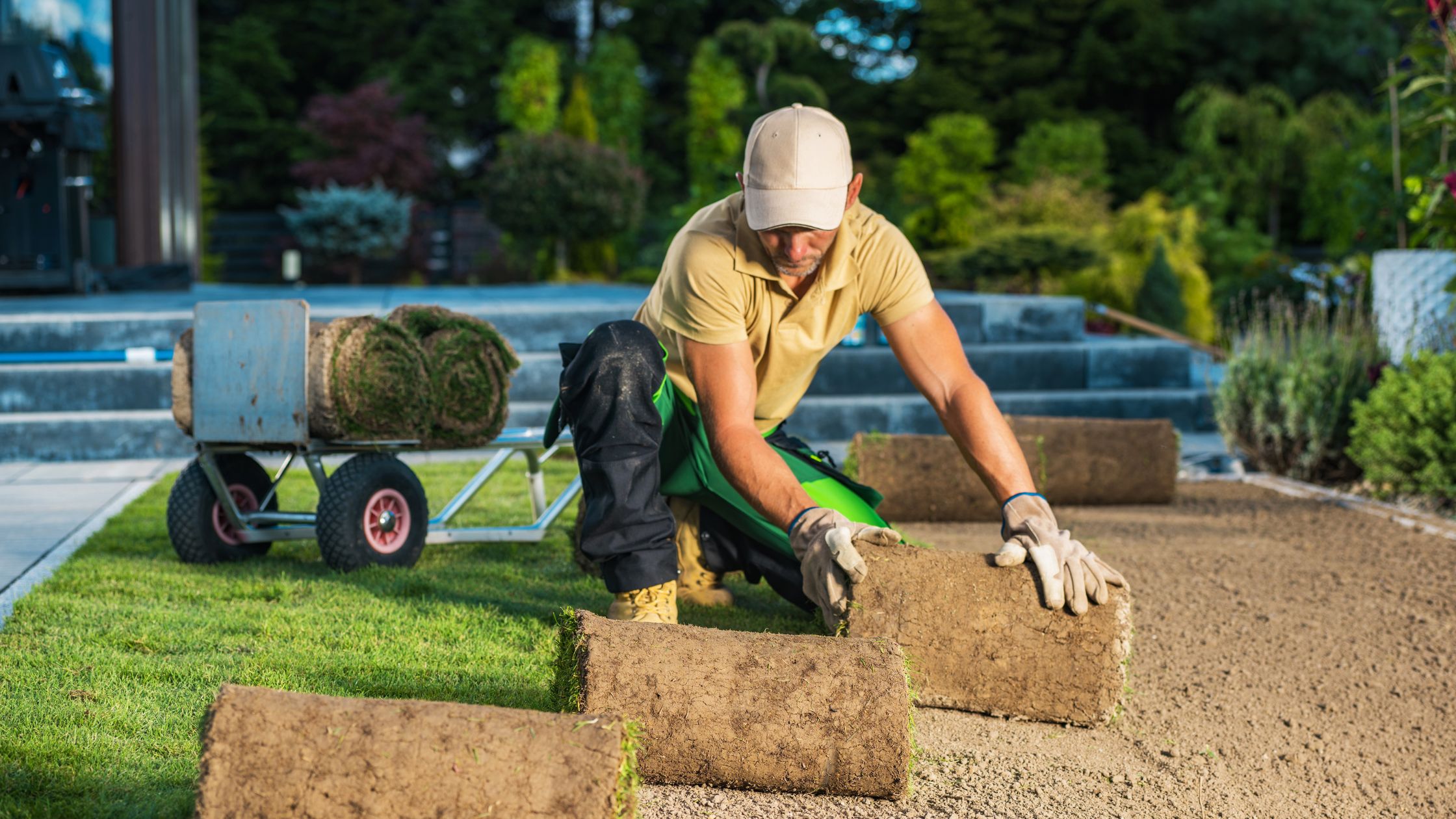
- Sod installation: $1 to $2 per square foot
- Paver patios and walkways: $12 to $25 per square foot
- Retaining walls: $20 to $45 per linear foot depending on height and material
- Irrigation systems: $2,500 to $6,000 for a standard residential system
These ranges shift based on site access, existing drainage issues, and how much grading the property needs before work begins. A home in a newer Fayette County development with level, well-drained soil will typically cost less than an older property in Conyers with mature trees and root systems to work around.
Is professional landscaping worth the cost compared to DIY?
Professional landscaping is worth the cost for most Atlanta homeowners because it accounts for soil conditions, drainage, and long-term plant health that DIY projects often overlook. A poorly planned DIY landscaping job frequently costs more to fix than it would have cost to do right the first time.
Georgia’s red clay soil is unforgiving. Without proper grading, water pools near foundations instead of draining away, which leads to erosion, mulch washout, and even foundation moisture problems over time. A professional crew evaluates drainage patterns before planting begins, something most DIY projects skip entirely.
Plant selection also matters more than homeowners expect. Species that thrive in cooler, drier climates often struggle in Atlanta’s humid subtropical summers. A landscaping company familiar with the region knows which plants tolerate the local heat, humidity, and clay soil without constant replacement.
The risk of DIY landscaping isn’t just wasted money on plants that don’t survive. Improper grading can direct water toward a home’s foundation, and that kind of correction costs far more than the original landscaping project would have.
What is the best time of year to landscape in Atlanta?
Fall and early spring are the best times to landscape in the Atlanta metro area, based on rainfall patterns and temperature. Planting during these windows gives new grass and plants time to establish roots before summer heat or winter cold sets in.
Georgia’s summers bring heavy rainfall and high humidity, which can wash out fresh mulch and stress newly planted material before roots take hold. Planting in October or November, or again in March through April, gives landscaping the best chance to establish before extreme weather arrives.
Homeowners near Covington and McDonough sometimes ask about landscaping right after a spring storm, when erosion damage is most visible. While storm damage often prompts the call, the actual planting and grading work still performs best when scheduled around these cooler, more predictable windows rather than immediately during heavy rain season.
How can homeowners reduce landscaping costs without cutting corners?
Homeowners can lower landscaping costs by phasing projects, choosing native or drought-tolerant plants, and combining smaller jobs into a single visit. These approaches reduce costs without sacrificing the quality of the work.
Phasing a large project across two seasons, for example completing grading and hardscaping in fall and planting in spring, spreads out the budget while still following the ideal planting calendar. Native Georgia plants also tend to cost less over time since they require less water and fewer replacements than non-native species.
Bundling landscaping with related services, like pressure washing for a driveway or walkway being incorporated into the new design, can also reduce overall project costs by consolidating labor and site visits.
Get a landscaping estimate built around your property
If you’re weighing how much landscaping costs against what your yard actually needs, the most accurate answer comes from a site visit rather than a generic estimate. Faucher Solutions, located at 4827 Old National Hwy, #1026 in College Park, GA, is a family-owned, veteran-operated company with more than 10 years of experience serving homeowners across the South Atlanta metro, and the team is licensed, insured, and available 24/7 for calls and quotes. Call (470) 471-9296 or visit fauchersolutions.com to get a landscaping quote that reflects your soil, your drainage, and your goals, not a one-size-fits-all price list.
Frequently Asked Questions About how much does landscaping cost
How much does landscaping cost for an average home in Atlanta?
Most Atlanta homeowners spend between $2,500 and $12,000 on landscaping projects, depending on yard size and whether the project includes hardscaping. Basic maintenance projects can cost under $1,500, while full outdoor renovations with irrigation and lighting often exceed $15,000.
Does Georgia’s clay soil increase landscaping costs?
Yes. Red clay soil compacts easily and drains poorly, so many projects require soil amendment before planting. This added labor and material typically increases costs compared to landscaping in areas with naturally loamy soil.
Is landscaping cheaper in fall or spring in Atlanta?
Costs are similar in both seasons, but fall and early spring are the best times for planting due to milder temperatures and more predictable rainfall. Scheduling during these windows improves results without necessarily changing the price.
How much does a retaining wall cost in the Atlanta area?
Retaining walls typically cost $20 to $45 per linear foot in the Atlanta metro area, depending on material and wall height. Taller walls or those requiring engineering review cost more due to added labor and permitting requirements.
Can landscaping help with drainage issues around my home?
Yes. Proper grading and plant placement can redirect water away from a foundation and reduce erosion, which is a common issue in neighborhoods with Georgia’s red clay soil. Addressing drainage during landscaping is often more cost-effective than fixing water damage later.
Do I need a permit for landscaping projects in South Atlanta?
Most planting and mulching projects don’t require a permit, but retaining walls above a certain height or major grading changes may need local approval. A landscaping company familiar with South Fulton and Fayette County requirements can confirm what applies to your specific project.
How long does a typical landscaping project take to complete?
Smaller projects like mulching and planting can be completed in one to two days, while larger projects involving hardscaping or irrigation may take one to two weeks. Timelines depend on weather, site conditions, and design complexity.
Conclusion
Landscaping costs in Atlanta depend on far more than square footage. Soil condition, drainage needs, and Georgia’s climate all shape what a project actually requires to succeed long-term. Homeowners who plan around these factors, rather than around a flat estimate, tend to get results that last well beyond the first growing season. If you’re ready to see what your property specifically needs, reach out to Faucher Solutions for a quote grounded in your yard’s actual conditions.